A Latin-inspired tapas bar that feels less like Dublin and more like a perky Madrid spot
Vritti Bansal
February 20, 2026
Table 45 is at the end of Dublin 2 that’s often neglected when people consider eating out, despite the area having some great credits to its name. Plan your visit on a sunny day and you’ll find that it’s a pleasure to both walk to and dine in, given a large window at the front that lets natural light stream in.
Also inside is exuberant decor, with marbled table tops and mustard and red upholstery on chairs — a welcome change from many popular Dublin spots that stick to nondescript wooden furniture. A wooden divider with a stained glass panel stands between two sections of seating. The table by the lone window is for three and the best table in the house, beside a sheer lilac-pink curtain. We were fortunate to be allotted this one for lunch.
While the cocktail menu makes an effort with a pisco sour, caipirinha, and michelada, I stick to wine with an experimental edge: an orange sauvignon blanc. The food menu is divided into bites and tapas, reminiscent of tapas menus in Spain, albeit with South American implications.
Sopaipillas
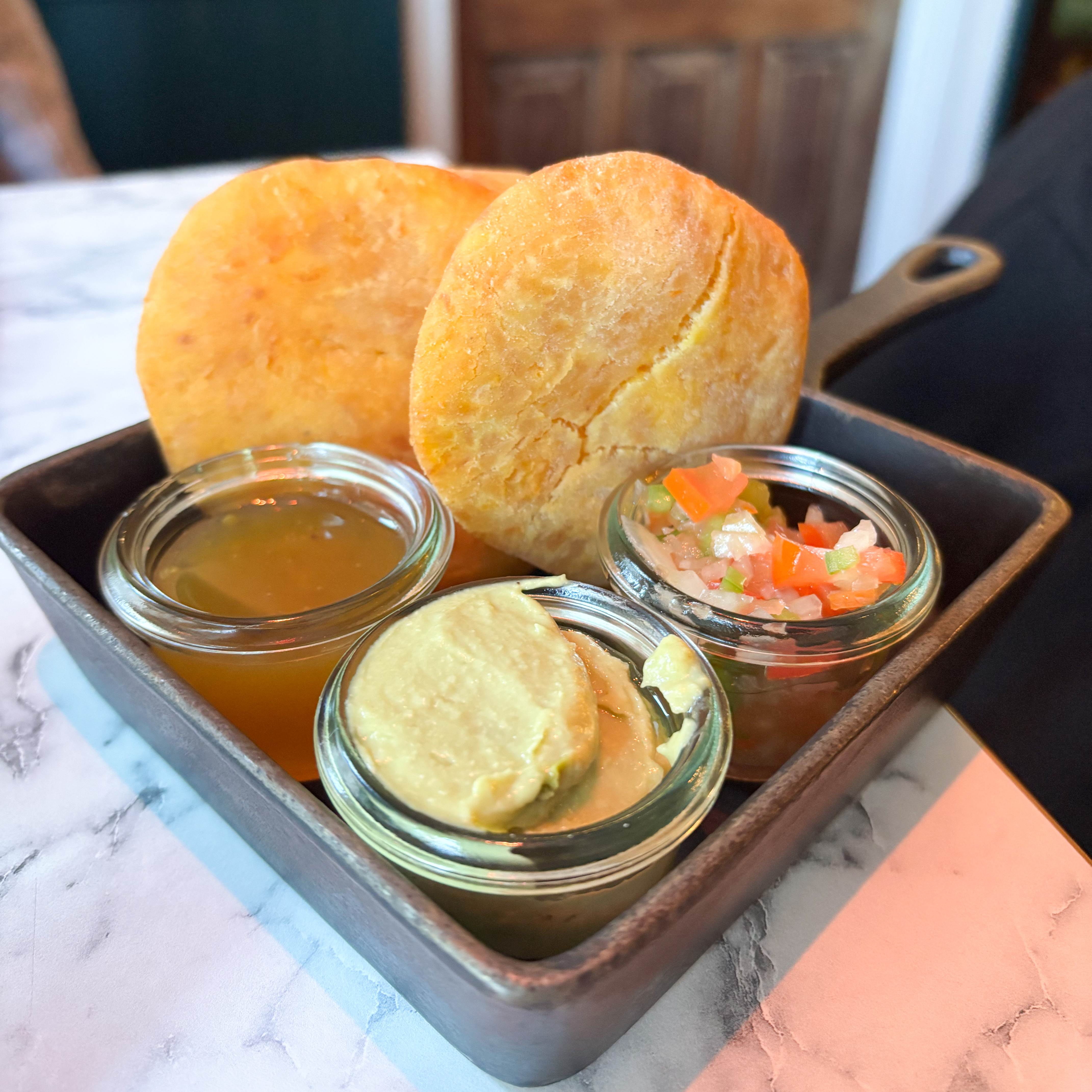
Sopaipillas, croquetas de champiñones, and patatas bravas arrive together. The sopaipillas are soft and slightly doughy, tearing apart with ease. They work exceptionally well with the accompanying mustard-honey that clings to the pastry, lending sweetness and a nasal tang. This contributes to a better combination than the pebre and avocado purée that are also served alongside.
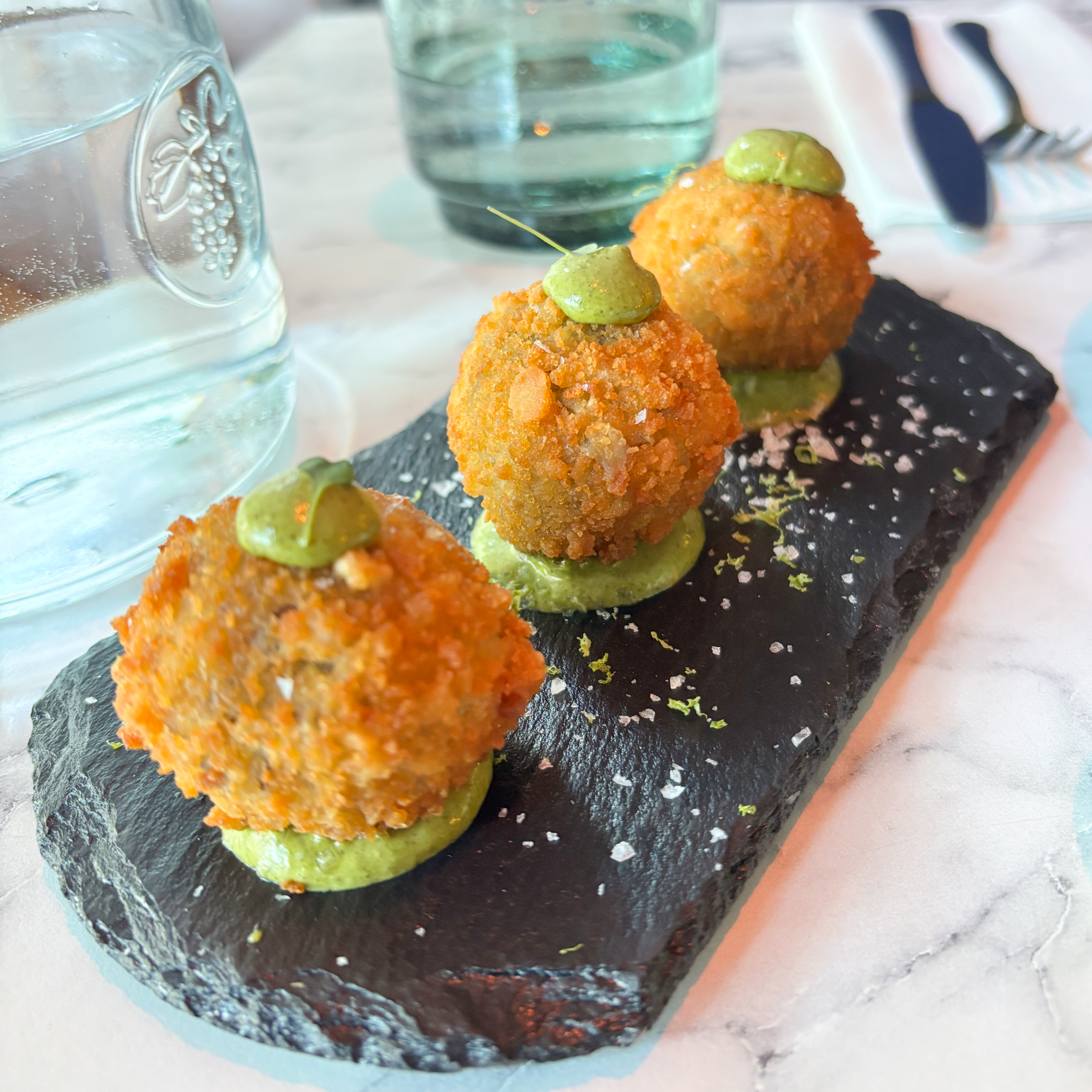
The croquettes are filled with wild mushrooms and Taleggio, crunchy outside and mushy inside. They arrive hot, steam rising out as you break one open with a fork and knife. Basil mayonnaise is the kitchen’s condiment of choice to go with these; it’s creamy, aromatic and salty, adding to the richness of the cheese and balancing the mushrooms’ umami.
A plate of patatas bravas comes with a tiny glass tub of aioli, the diced potatoes fried until appropriately crisp. The brava sauce is fresh, which is easy to tell because it tastes tomatoey without the unpleasant flavour that’s characteristic of tinned tomato purées. We would have loved for it to have more of a kick, though.
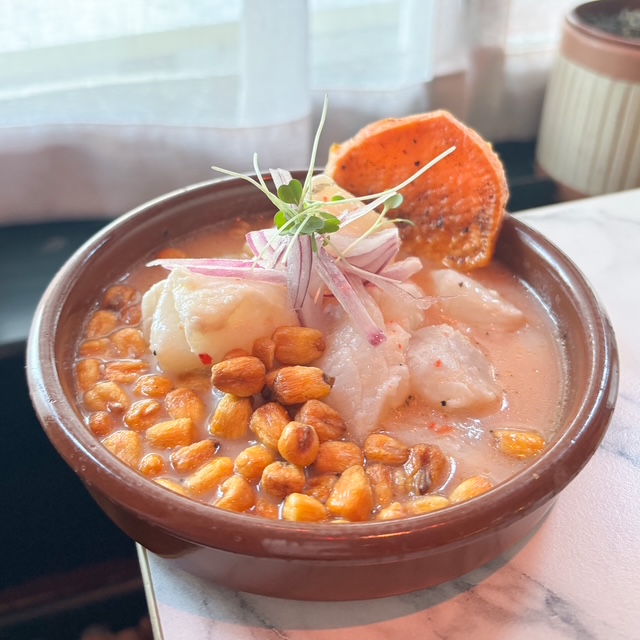
As we work our way through these, a good-looking dish of ceviche arrives garnished with raw, thinly sliced red onion (which the menu describes as “onion feathers”) and roasted corn. A disc of sweet potato sits in the pool of dressing. It’s evident that the haddock chunks have been allowed to marinate in the lemon juice well enough for them to be firm but juicy. Peruvians would be proud. A hint of chilli is visible, but can’t be tasted. The citrusy fish and crunchy corn make an unusually alluring combination, while the sweet potato works like a palate cleanser between the tart bites.
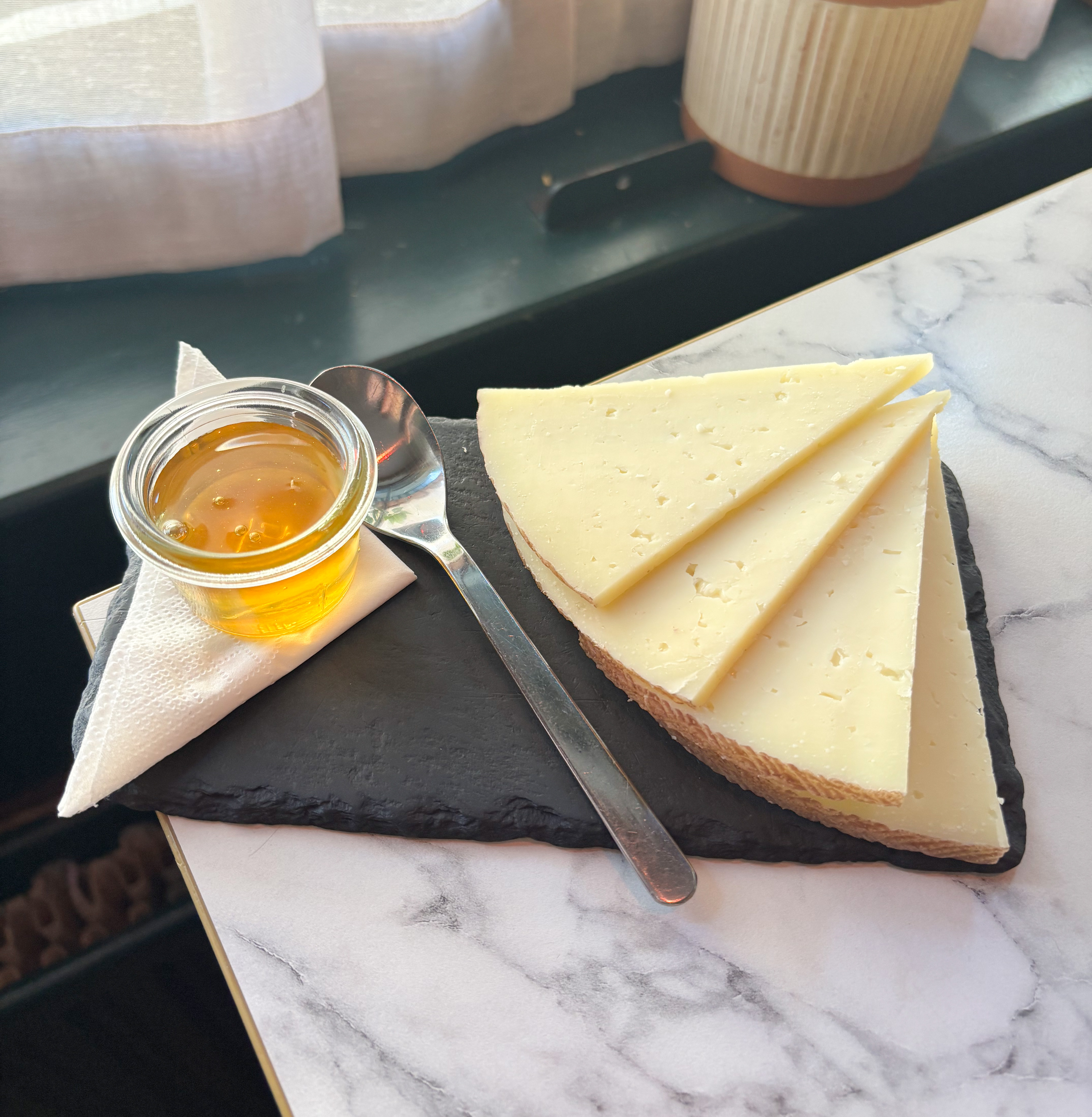
By the time we finish our tapas, we’re mostly full but greedy enough to order a portion of manchego with honey. A telltale sign of high quality honey is that it’s crystal-clear, which is certainly the case with the one we’re served. As we dip into it with the buttery cheese, we realise we’d need to stop eating soon so we’d have space for dessert.
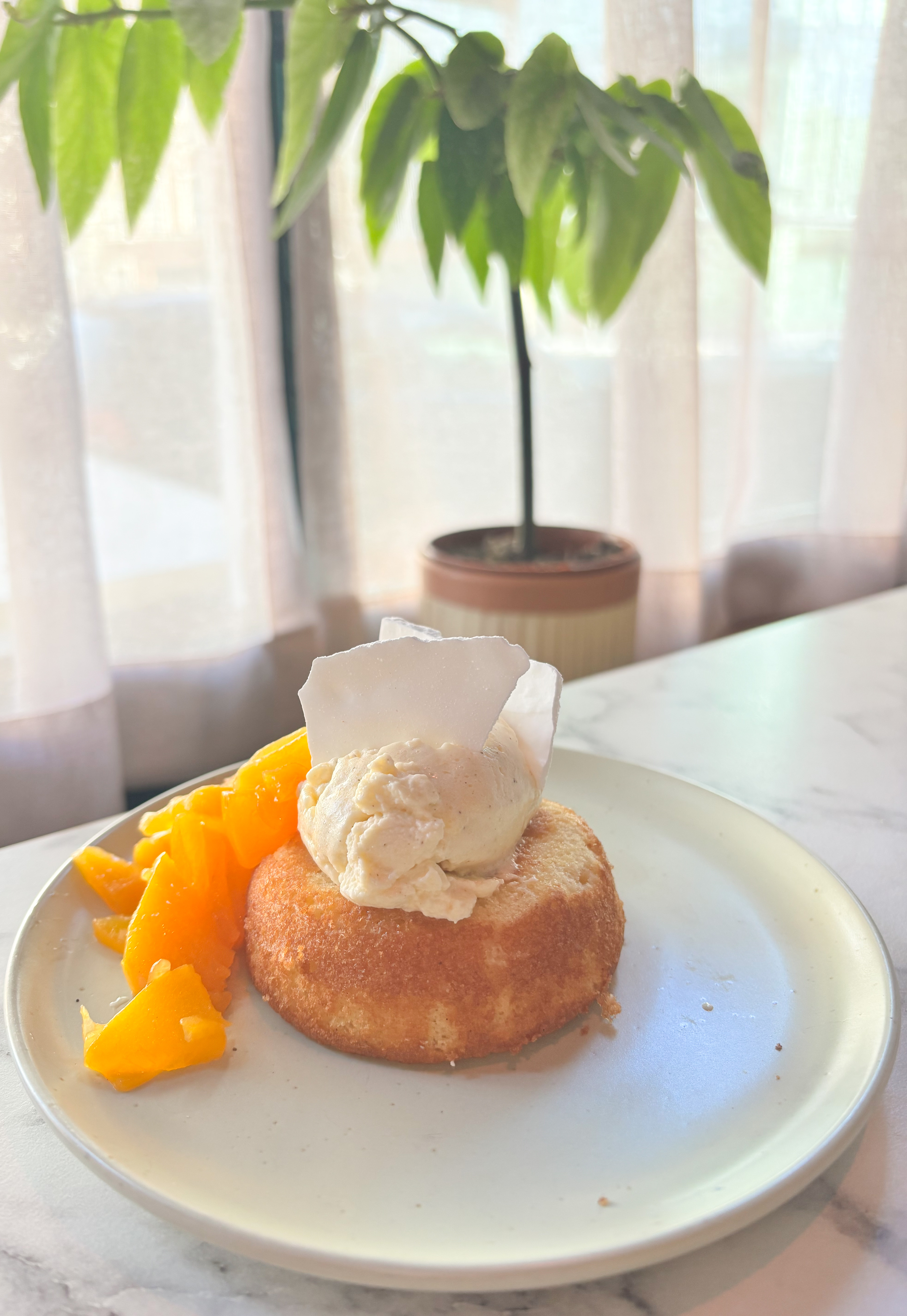
Our server recommends the chajá and we abide by her suggestion. The menu reveals that it has Uruguayan roots and that adds to its enigma. A thick, fist-sized medallion of sponge cake arrives topped with chantilly cream, shards of meringue, and pieces of tinned peach on the side. Freshly poached peach might have added more zest to the dessert than tinned peach, but we don’t mind mouthfuls of the latter. The cake is soft enough to break apart at the lightest prod of a spoon, making it one of the best few desserts we’ve had in the city.
We’re a bit too full by the end of the meal, but with no regrets. The restaurant — and especially our table — is so delightful that we don’t feel like leaving. It feels like we could easily be in a tapas bar in Madrid, especially with the sunlight pouring in. And so, maybe, the place is one to reserve for when you feel like getting a few hours away from Dublin without booking flights.